Loading...
Serving Inglewood, CA and surrounding areas. (424) 414-1965
Patching the same cracks year after year is not a solution. Milling removes the worn-out surface down to a solid base, so the new overlay bonds evenly and lasts instead of peeling away from old patchwork.
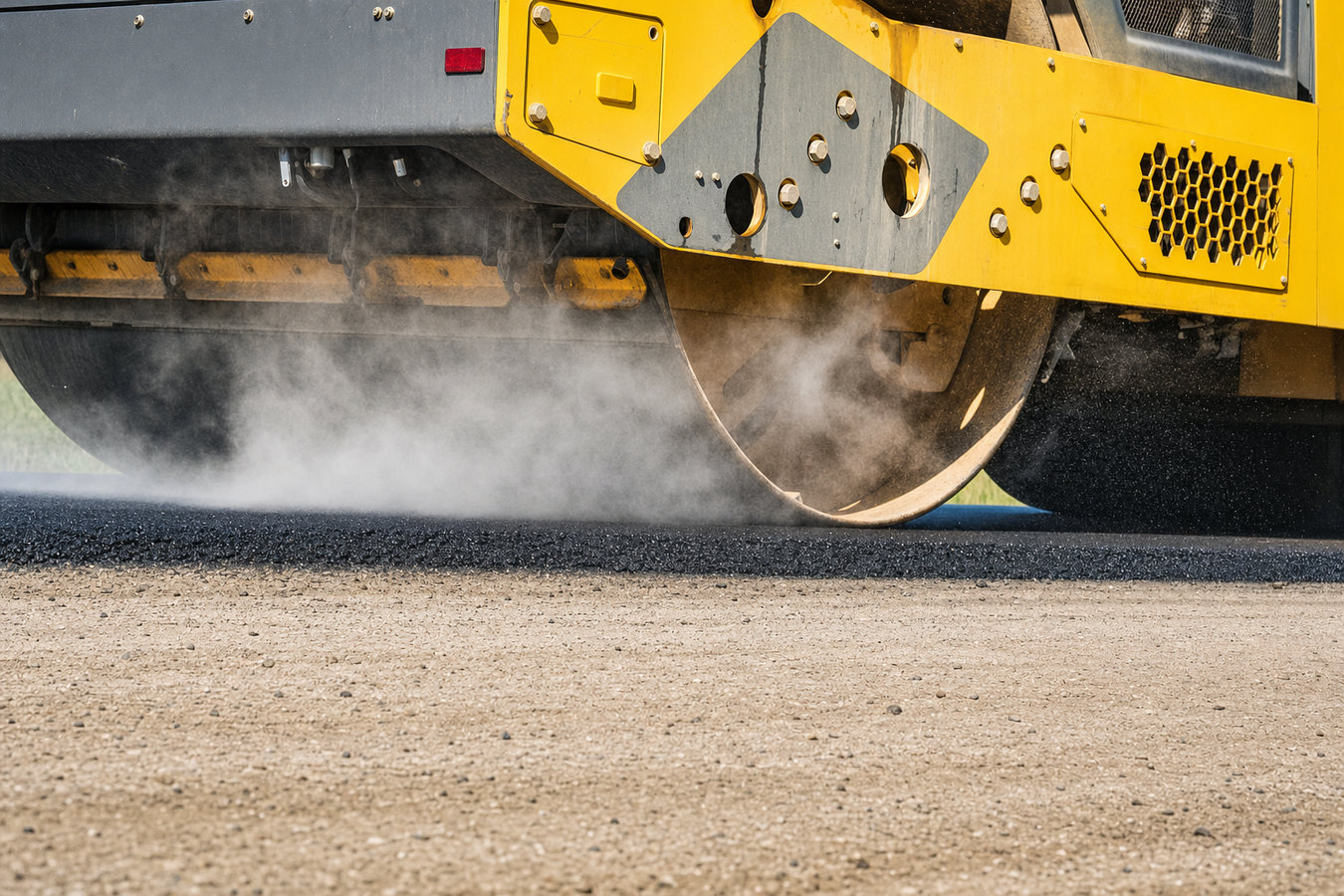
Asphalt milling in Inglewood is the process of grinding down the top layer of an existing paved surface using a machine with a rotating drum of cutting teeth; most residential driveways can be milled in a few hours, with the overlay following within one to two days. The ground-up material is loaded into trucks and recycled into new asphalt mix, so very little ends up in a landfill.
Most homeowners who reach this page have a driveway that has been patched more than once and the patches keep failing, or they have a surface that has gone gray and rough after years of Inglewood's sun. Milling makes sense when the base underneath is still solid - it removes only what is worn out instead of rebuilding from scratch. If you are not sure whether the base is still sound, that is exactly what we check during a free estimate. Milling is almost always the first phase of an asphalt resurfacing project, so budget for both phases together when you are planning the work.
If you see a network of cracks across your driveway but the surface does not flex or feel spongy when you walk on it, the base underneath is likely still in good shape. That is the ideal condition for milling - remove the damaged top layer and replace it without the cost of a full reconstruction.
Inglewood's intense UV exposure bakes out the oils in asphalt over time, causing it to fade, become brittle, and lose aggregate from the surface. When your pavement looks faded and feels rough underfoot, a fresh overlay after milling will restore both function and appearance.
Low spots and uneven areas that collect standing water are a sign the surface has deformed or settled unevenly. The clay soils common in the Los Angeles Basin shift with seasonal moisture, causing this distortion. Milling lets the contractor re-establish a consistent grade before laying new asphalt.
If previous overlays were applied directly on top of old asphalt without milling, the surface may have built up to the point where it crowds the garage threshold or sits awkwardly against the curb. Milling brings the elevation back to the right height before the new layer goes down.
We provide residential driveway milling, shared private road milling, and small commercial parking area milling throughout Inglewood. Every project starts with a base assessment - we look at what is underneath the existing surface before we quote, so the scope is right from the start. After milling, the exposed base is inspected for soft spots, cracking, or drainage issues, and any problem areas are repaired before the overlay goes down. Skipping base repairs is one of the clearest signs of a contractor cutting corners - a new surface laid over a compromised base will fail early. The milled surface leads naturally into our asphalt resurfacing work, which we coordinate as a single project so you are dealing with one crew and one accountable result. For projects that also involve site grading or drainage correction, we integrate our drainage solutions work into the plan so water moves correctly after the new surface is placed.
The ground-up material - called reclaimed asphalt pavement - is loaded into trucks during milling and taken to an asphalt plant where it is processed and blended back into new mix. This recycling loop means very little material ends up in a landfill, which is one of the genuine environmental advantages of milling over a full tear-out. The National Asphalt Pavement Association recognizes reclaimed asphalt as one of the most recycled materials in the country.
Best for homeowners whose driveway surface is worn out but the base is still solid - removes only the failed layer and prepares for a clean overlay.
Suits HOA roads, alley access routes, and shared driveways that have built up multiple overlays and need to be brought back to the correct grade.
Designed for small parking lots and private commercial lots where surface deterioration has reached the point where an overlay without milling would not bond correctly.
For surfaces where elevation has crept up against curbs, garage aprons, or adjacent concrete - milling restores the correct height before the new layer is placed.
Inglewood sits in the Los Angeles Basin, where intense UV exposure and summer heat push pavement surface temperatures well above the air temperature. Over time, that heat bakes out the flexible oils in asphalt, causing it to become brittle, fade to gray, and crack faster than pavement in cooler climates. Unlike most of the country, there is no freeze-thaw cycle here - the real driver of pavement damage is the expansive clay soil common across this region, which swells when wet and shrinks when dry. That soil movement creates surface cracking and unevenness that milling and a fresh overlay can correct, as long as the base is still structurally sound. In a high-cost city like Inglewood, milling is often the smarter financial choice because it removes only what is worn without paying for a full reconstruction.
Inglewood is also a dense, built-up city where driveways are often short, narrow, and hemmed in by walls or fences. Properties in areas like Hawthorne and Lawndale to the south have similar tight-access conditions, and we work in those areas regularly. Large milling machines may not fit every residential driveway, which is why we assess access conditions before quoting - so we bring the right equipment or plan for hand work where needed. That site-specific planning is what keeps the job on schedule and on budget.
Call or message us with the size of the area, its current condition, and any access limitations - narrow gate, low overhead clearance, tight street. We respond within one business day and schedule a free on-site visit.
We walk the pavement with you, check the base condition, assess access for equipment, and identify any areas needing repair before the overlay. You receive a written quote covering milling, base repairs, and the new overlay as a complete scope.
The crew arrives with the milling machine and haul trucks, grinds the old surface to the agreed depth, loads the reclaimed material, and cleans loose debris from the work area. A standard residential driveway wraps up in a few hours. The milled surface will look rough and grooved - that is normal and expected.
Once the old surface is removed, we inspect the exposed base and repair any soft spots before paving. The new hot-mix asphalt overlay is placed and compacted. We walk the finished job with you before leaving so you can confirm edges, grade, and overall appearance.
Free on-site estimate. We assess the base, quote both phases, and handle the job from milling day through the final walkthrough.
When one contractor manages both phases, you have a single point of accountability for the depth of the mill, the base condition, and the quality of the new surface. We have been doing exactly that in Inglewood since 2015, so you are not coordinating between separate crews or sorting out who is responsible if something is wrong.
We never quote milling over the phone without visiting the site. During that visit, we probe the base and tell you honestly whether milling and resurfacing is the right call or whether the base has failed to the point where a full reconstruction is the better investment. That upfront honesty saves you from a repair that will not hold.
Dense Inglewood neighborhoods often have driveways that standard milling equipment cannot reach. We assess gate width, overhead clearance, and site access during the estimate visit and bring the right machine - or plan for hand work in tight spots - so the job does not stall on day one.
National Asphalt Pavement AssociationSouthern California's UV intensity and high pavement temperatures accelerate oxidation on fresh asphalt. We recommend the right post-overlay maintenance plan - including when to apply sealcoat after the asphalt has fully cured - so your new surface lasts as long as possible under Inglewood's conditions.
Milling is only as good as the base assessment that precedes it and the overlay that follows. Treating both phases as one continuous job - with one crew accountable for the result - is the most reliable way to get a surface that lasts under Inglewood's sun and soil conditions.
Milling corrects surface grade, but if drainage issues run deeper, our drainage solutions work addresses the underlying water management before a new overlay is placed.
Learn MoreMilling is the first phase of a resurfacing project - after the old surface is ground away, the new hot-mix overlay goes down for a fresh, durable finish.
Learn MoreCall or submit a request today for a free on-site estimate - dry season schedules fill quickly and locking in a date now means your driveway is done before the next rainy stretch.